
Her İhtiyaca Yönelik Profesyonel Çözümler
Endüstriyel temizlik, yalnızca görünen kirin uzaklaştırılması değildir. Üretim alanlarında, gıda temas yüzeylerinde, medikal ekipmanlarda, proses hatlarında, zeminlerde, depolarda ve özel cihazlarda her kir tipi farklı bir kimyasal yaklaşım gerektirir. Yanlış ürün seçimi; yetersiz temizlik, yüzey hasarı, kalıntı riski, zaman kaybı ve proses güvenliği açısından sorun oluşturabilir.
Bu nedenle profesyonel temizlikte temel yaklaşım, “tek ürünle her alanı temizlemek” değil; kirin türünü, yüzeyin yapısını, uygulama yöntemini, durulama ihtiyacını ve proses güvenliğini birlikte değerlendirmektir.
Colin Kimya’nın ULTRACOL, Testonic ve AGROCOL ürün grupları; gıda proses hijyeninden medikal alet temizliğine, ağır yağ ve pas gideriminden özel yüzey uygulamalarına kadar farklı ihtiyaçlar için geliştirilmiş profesyonel çözümler sunar.
1. Doğru Temizlik Kimyasalı Seçimi Neye Göre Yapılmalıdır?
Endüstriyel temizlikte doğru ürün seçimi için ilk adım, temizlenecek alanın ve kirlilik tipinin doğru tanımlanmasıdır. Bir gıda dolum hattında kullanılan ürün ile paslanmaz ekipmandaki oksit tabakasını gidermek için kullanılan ürün aynı olmamalıdır. Benzer şekilde medikal alet temizliği, zemin temizliği veya solar panel temizliği farklı kimyasal özellikler gerektirir.
Ürün seçerken değerlendirilmesi gereken temel kriterler
- Kirlilik tipi: Yağ, protein, karbon, pas, kireç, mineral, biyofilm, kimyasal kalıntı veya mikrobiyal risk.
- Yüzey tipi: Paslanmaz çelik, cam, plastik, seramik, alüminyum, boyalı yüzey veya hassas ekipman.
- Uygulama yöntemi: Manuel temizlik, püskürtme, daldırma, köpük uygulama, otomatik yıkama, CIP/SIP veya dozajlama sistemi.
- Durulama ihtiyacı: Gıda temas yüzeyi, proses hattı veya doğrudan ürünle temas eden ekipmanlarda kalıntı kontrolü önemlidir.
- Malzeme uyumu: Seçilen ürün, yüzeyde korozyon, matlaşma veya deformasyon oluşturmamalıdır.
- Güvenlik: Ürün, personel kullanımı, depolama koşulları ve işletme prosedürleri açısından uygun olmalıdır.
- Kontrol edilebilirlik: Gerekli durumlarda temizlik veya dezenfeksiyon sonrası kalıntı, pH, konsantrasyon veya performans kontrolü yapılabilmelidir.
Bu kriterler dikkate alındığında, temizlik kimyasalı seçimi daha sistematik, güvenli ve sürdürülebilir hale gelir.
2. Kirlilik Tipine Göre Kimyasal Seçimi
Endüstriyel temizlikte en sık yapılan hatalardan biri, kirliliğin kimyasal yapısını değerlendirmeden ürün seçmektir. Oysa yağ, protein, kireç, pas ve mikrobiyal risk farklı kimyasal yaklaşımlar gerektirir.
| Kirlilik / İhtiyaç | Genel Kimyasal Yaklaşım | Örnek Ürün Grubu |
|---|---|---|
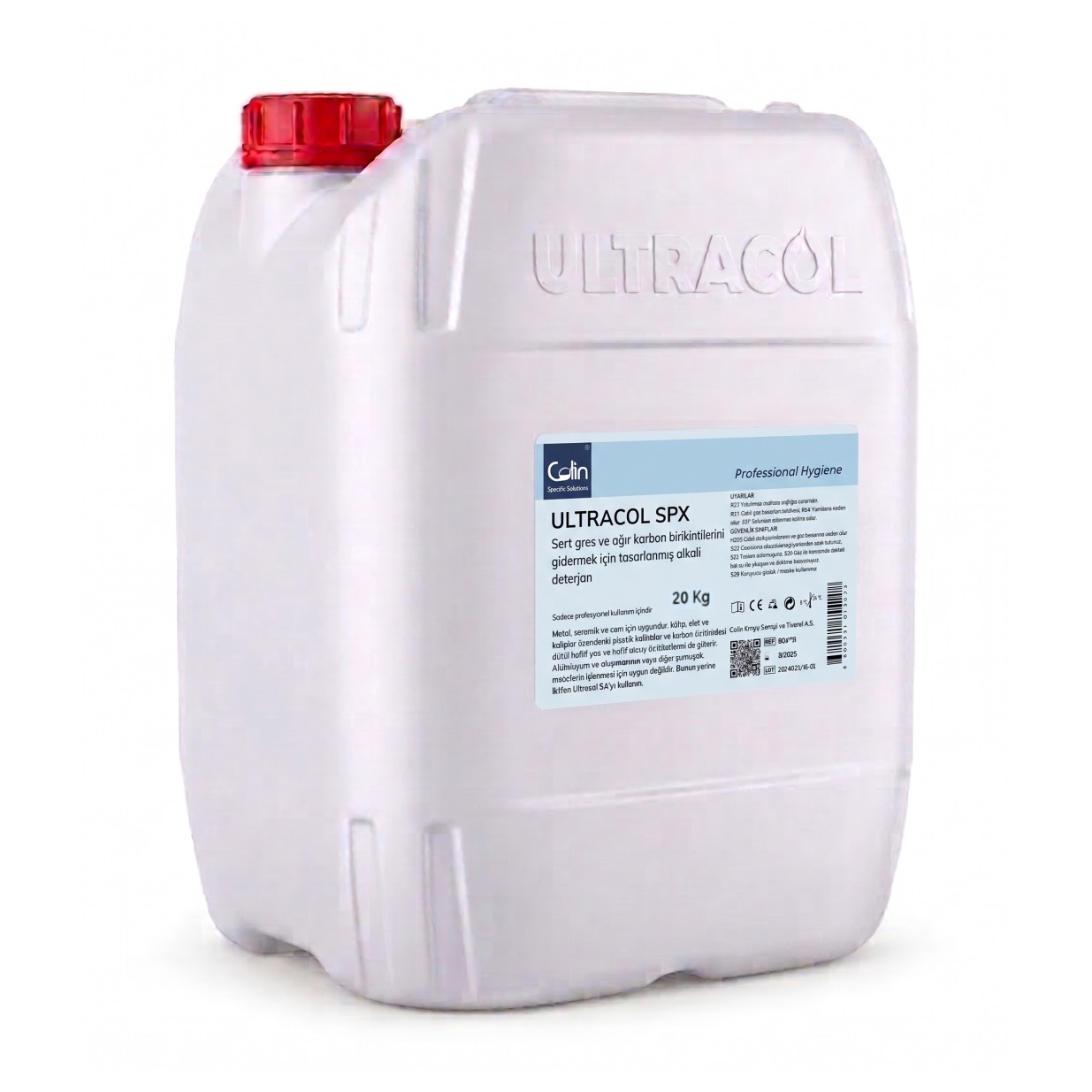
| Yağ, gres, karbon, ağır organik kir | Alkali veya güçlü yağ çözücü sistemler | ULTRACOL SPX - Yağ Giderici Deterjan |
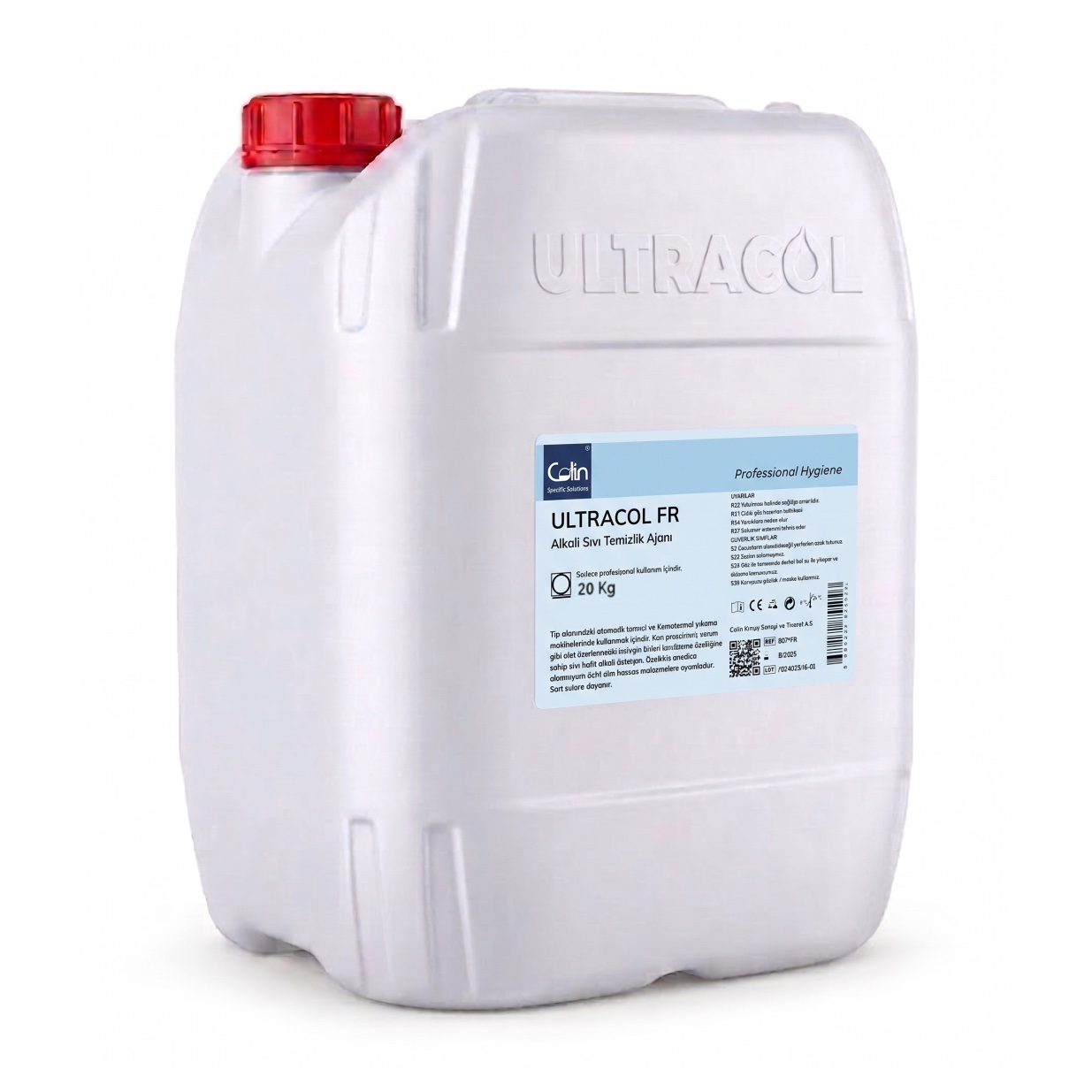
| Protein, kan ve organik kalıntılar | Alkali temizlik ve uygun yıkama ajanları | ULTRACOL FR - Alkali Sıvı Temizlik Ajanı |
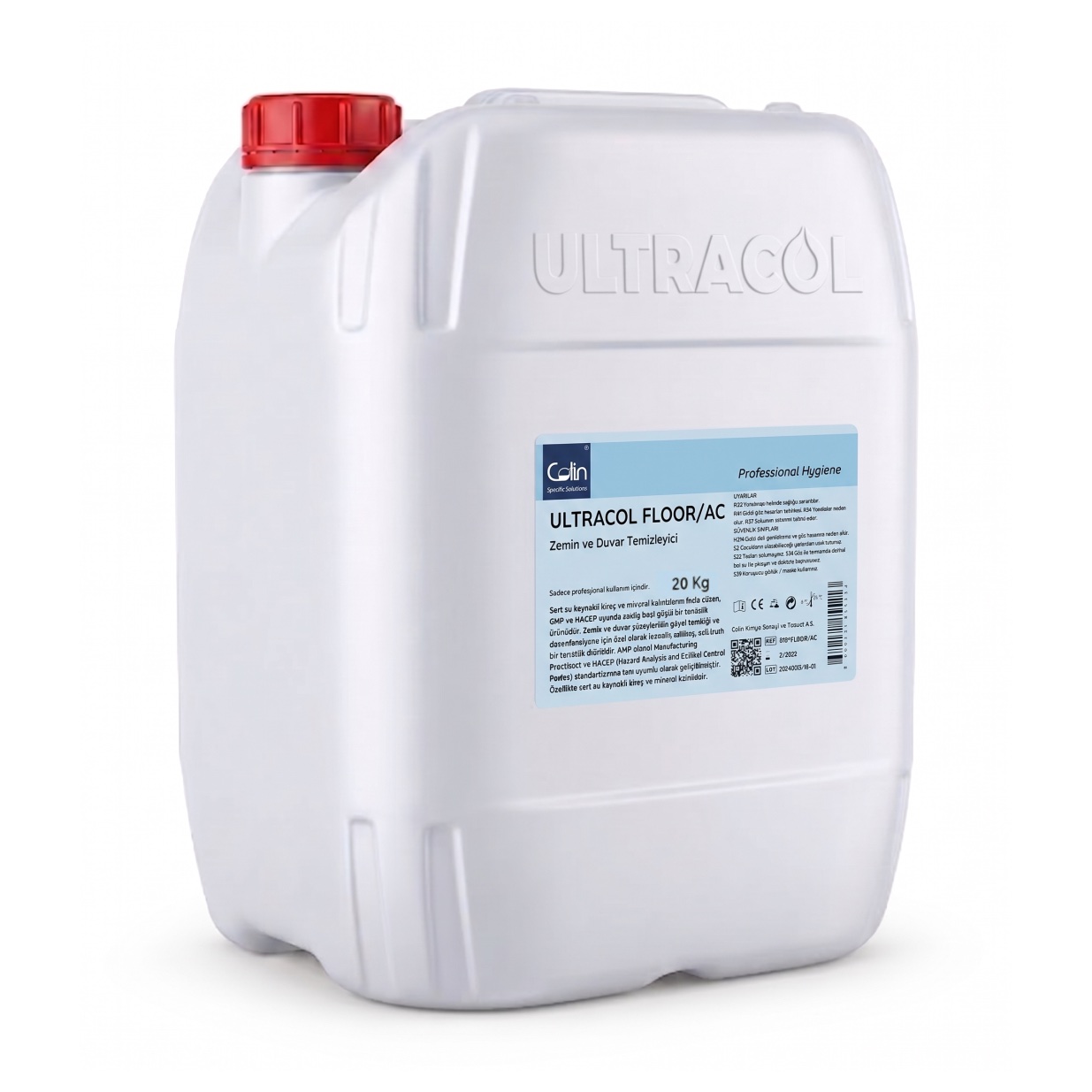
| Kireç, mineral ve inorganik birikimler | Asidik temizlik yaklaşımı | ULTRACOL FLOOR/AC – Zemin ve Duvar Temizleyici |
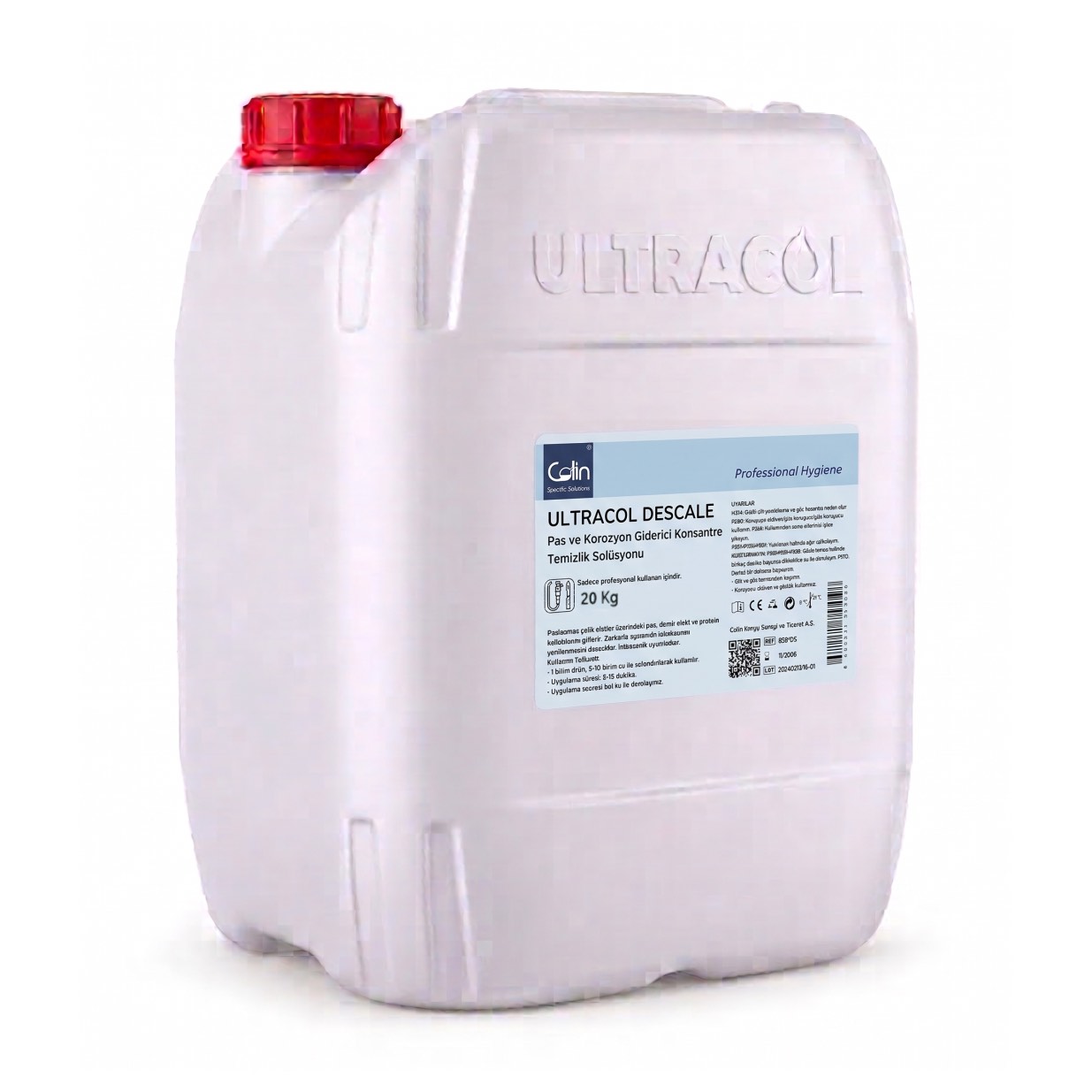
| Pas, oksit ve korozyon lekeleri | Pas ve oksit giderici özel ürünler | ULTRACOL DESCALE - Pas ve Korozyon Giderici Konsantre Temizlik Solüsyonu |
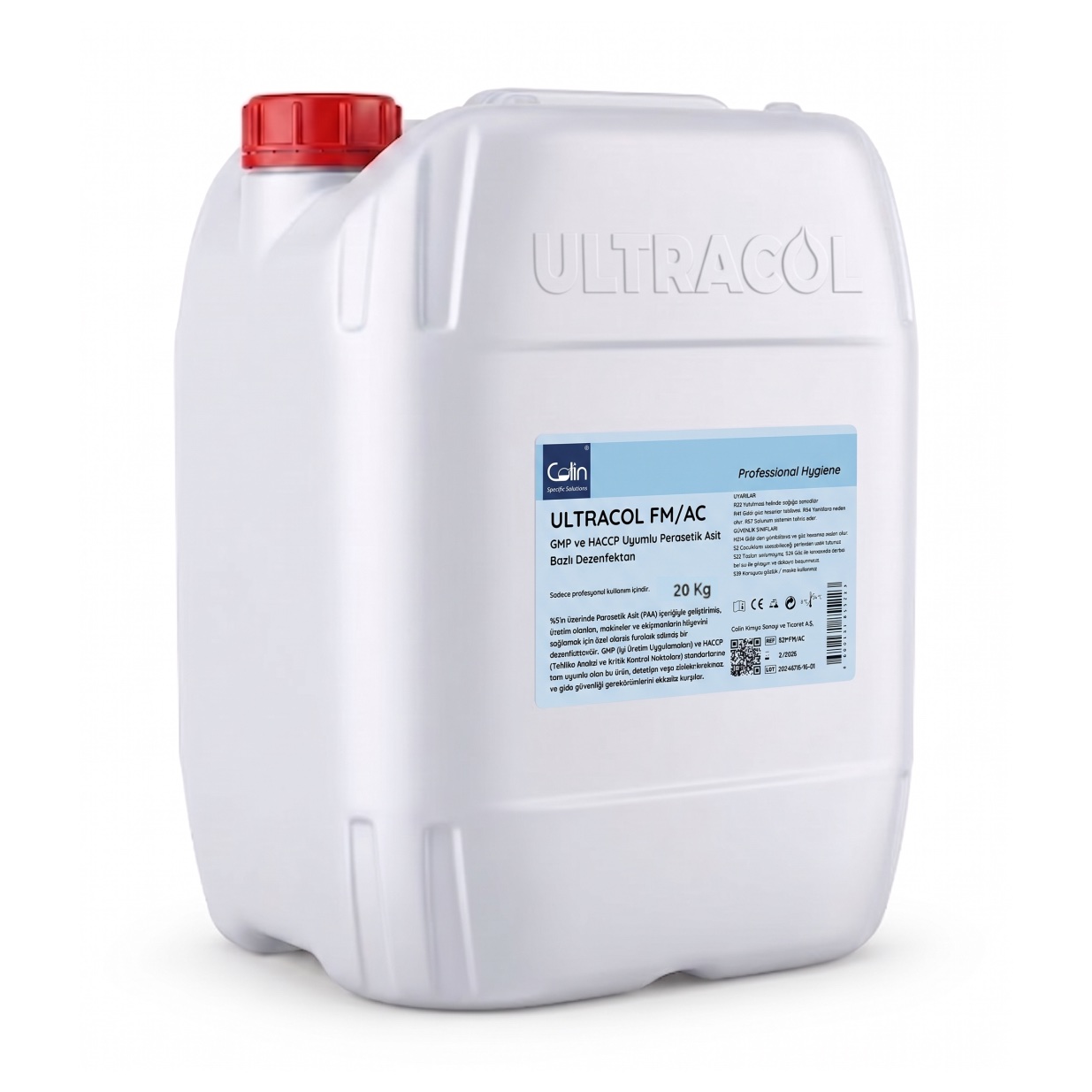
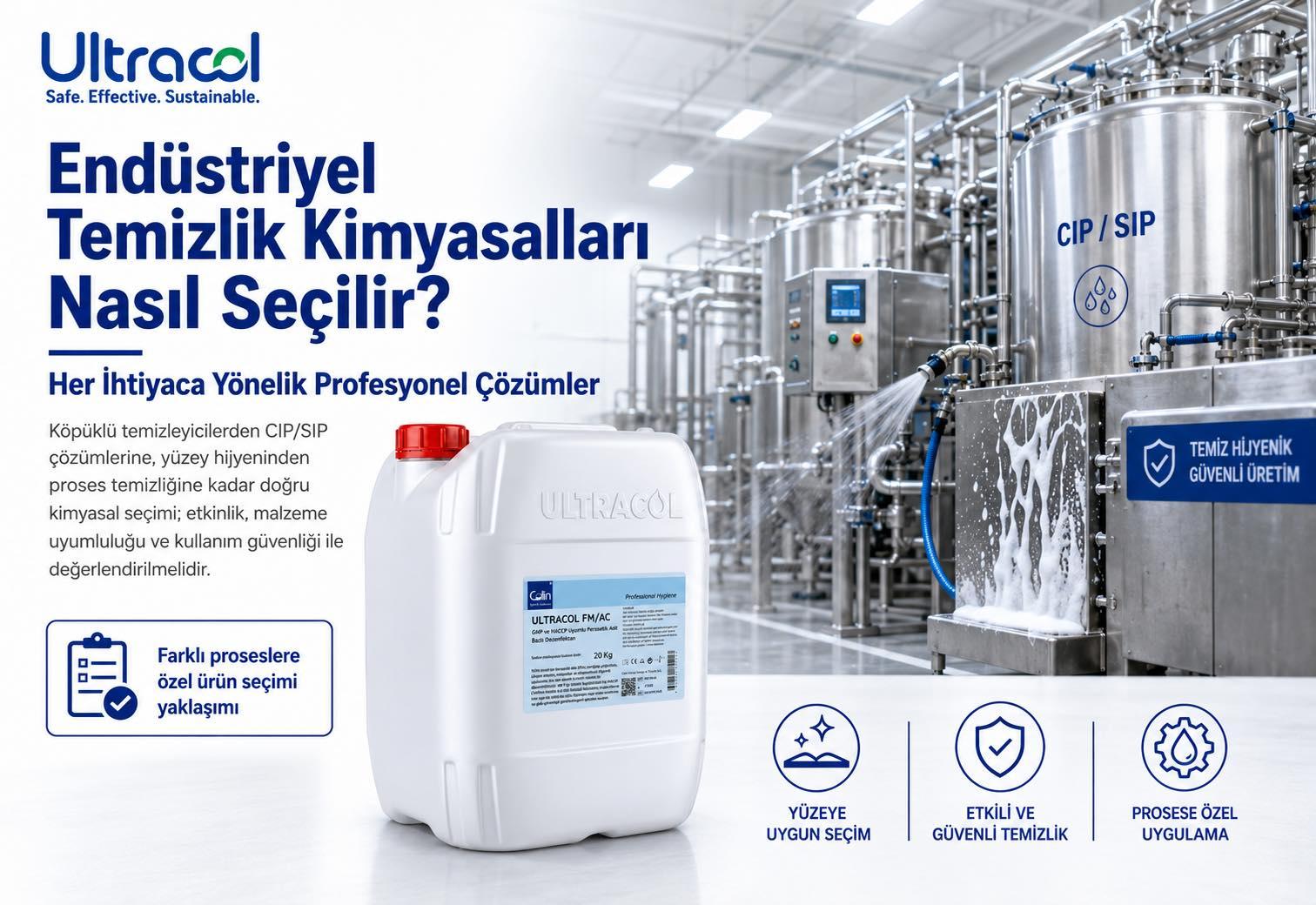
| Mikrobiyal risk ve proses hijyeni | Dezenfeksiyon ve oksidatif hijyen çözümleri | ULTRACOL FM/AC - GMP ve HACCP Uyumlu Perasetik Asit Bazlı Yıkama Maddesi |
| Kimyasal dökülme ve acil müdahale | Absorban ve güvenli toplama çözümleri | ULTRACOL ABSORBER – Güçlü Kimyasal Absorbanı |
3. Sağlık, Medikal ve Dental Alanlarda Temizlik Kimyasalı Seçimi
Sağlık ve dental alanlarda temizlik, doğrudan hijyen güvenliği ile ilişkilidir. Cerrahi aletler, laboratuvar ekipmanları, döner dental aletler, protezler ve tıbbi cihazlar; yüzey yapısı, malzeme hassasiyeti ve organik kalıntı riski nedeniyle özel ürünlerle temizlenmelidir.
Medikal aletlerde temizlik ve dezenfeksiyon
Tıbbi cihazlarda ve cerrahi aletlerde amaç yalnızca görünür kirin giderilmesi değildir. Kan, protein ve biyolojik kalıntıların uzaklaştırılması; sonrasında uygun dezenfeksiyon veya sterilizasyon sürecinin desteklenmesi gerekir.
- ULTRACOL ACTIV - Tıbbi cihazlar için temizlik yapabilen dezenfeksiyon ajanı: Tıbbi cihazlar ve hassas ekipmanlar için temizlik ve dezenfeksiyon yaklaşımında değerlendirilebilir.
- ULTRACOL PULVER Classic - Medikal aletler ve yüzeyler için etkin temizleme ajanı: Medikal alet ve yüzeylerde pratik uygulama ihtiyacı olan alanlarda tercih edilebilir.
Otomatik yıkama makinelerinde alkali temizlik ve nötralizasyon
Otomatik yıkama sistemlerinde ürün seçimi, makine performansı ve alet güvenliği açısından önemlidir. Alkali temizlik sonrası uygun nötralizasyon yapılması, yüzeyde kalan alkali kalıntıların giderilmesine yardımcı olur.
- ULTRACOL FR - Alkali Sıvı Temizlik Ajanı: Kan, protein ve organik kalıntıların temizliğinde alkali temizlik yaklaşımı için kullanılabilir.
- ULTRACOL FNZ - Asit Nötralizanı Sıvı Temizlik Ajanı: Alkali temizlik sonrası nötralizasyon ve kalıntı giderimi için değerlendirilebilir.
Dental döner aletler ve protez bakım ürünleri
Dental frezler, burlar, plaklar, protezler ve ortodontik apareyler; hem organik kalıntı hem de koku ve biyofilm riski açısından düzenli ve uygun temizlik gerektirir.
- ULTRACOL DrillGuard - Döner Aletler İçin Akıllı Temizlik ve Koruma: Dental döner aletlerde temizlik ve bakım yaklaşımı için geliştirilmiştir.
- ULTRACOL PRO 3 - Dental Plak ve Aparat Temizleyici: Dental plak, protez ve aparey temizliği için kullanılabilir.
4. Gıda Üretim Tesisleri ve Proses Hijyeninde Ürün Seçimi
Gıda işletmelerinde temizlik kimyasalı seçimi, ürün kalitesi ve proses güvenliği açısından kritik bir konudur. Gıda temas yüzeylerinde kullanılacak ürünler; yüzey uyumu, kalıntı kontrolü, durulama ihtiyacı ve uygulama kolaylığı bakımından değerlendirilmelidir.
Gıda proses hijyeni ve yüzey dezenfeksiyonu
Gıda üretim alanlarında dolum hatları, taşıma bantları, tanklar, boru hatları, kesme ekipmanları, ambalaj makineleri ve tezgâhlar düzenli hijyen kontrolü gerektirir. Özellikle uzun süreli duruşlardan sonra ilk üretim öncesi temizlik ve dezenfeksiyon prosedürünün gözden geçirilmesi önerilir.
- ULTRACOL FM/AC - GMP ve HACCP Uyumlu Perasetik Asit Bazlı Yıkama Maddesi: Gıda proses hijyeni, ekipman yüzeyleri ve uygun proses alanlarında perasetik asit bazlı yaklaşım için değerlendirilebilir.
- ULTRACOL FM/AL - GMP ve HACCP Uyumlu Hipoklorit Bazlı Dezenfektan: Hipoklorit bazlı dezenfeksiyon yaklaşımının uygun olduğu yüzey ve proseslerde tercih edilebilir.
CIP/SIP sistemleri ve kapalı proses hatları
CIP/SIP sistemlerinde ürün seçimi yapılırken köpük kontrolü, otomatik dozaj uyumu, hat içi malzeme uyumu, temas süresi ve durulama prosedürü birlikte değerlendirilmelidir. Kapalı sistemlerde kimyasalın etkinliği kadar proses sonrası kontrol edilebilirliği de önemlidir.
- Perasetik Asit 5.0 | %5 PAA: Gıda, içecek ve süt endüstrisi gibi alanlarda oksidatif hijyen yaklaşımı için değerlendirilebilir.
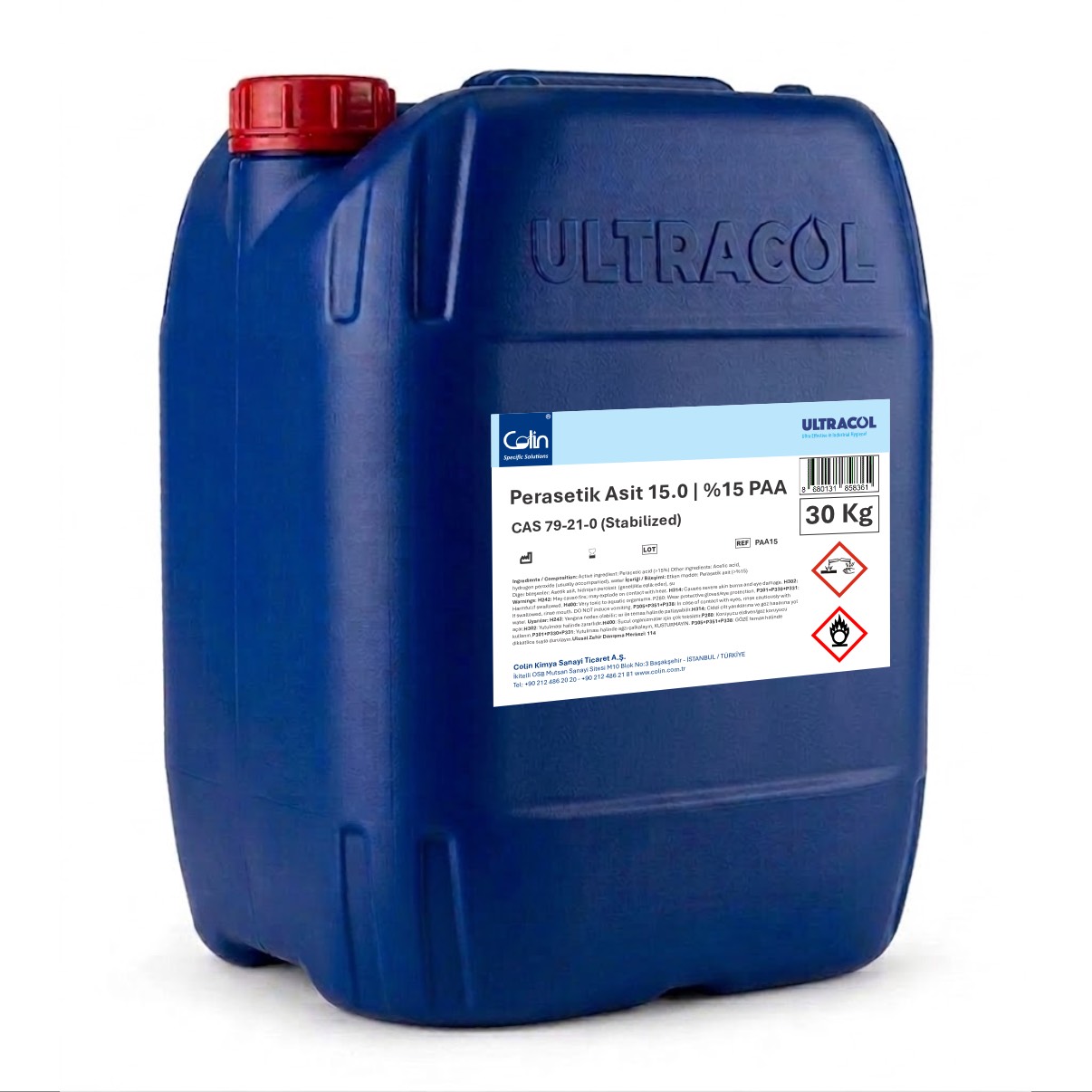
- Perasetik Asit 15.0 | %15 PAA: Daha konsantre perasetik asit ihtiyacı olan profesyonel uygulamalar için uygun ürün grubudur.
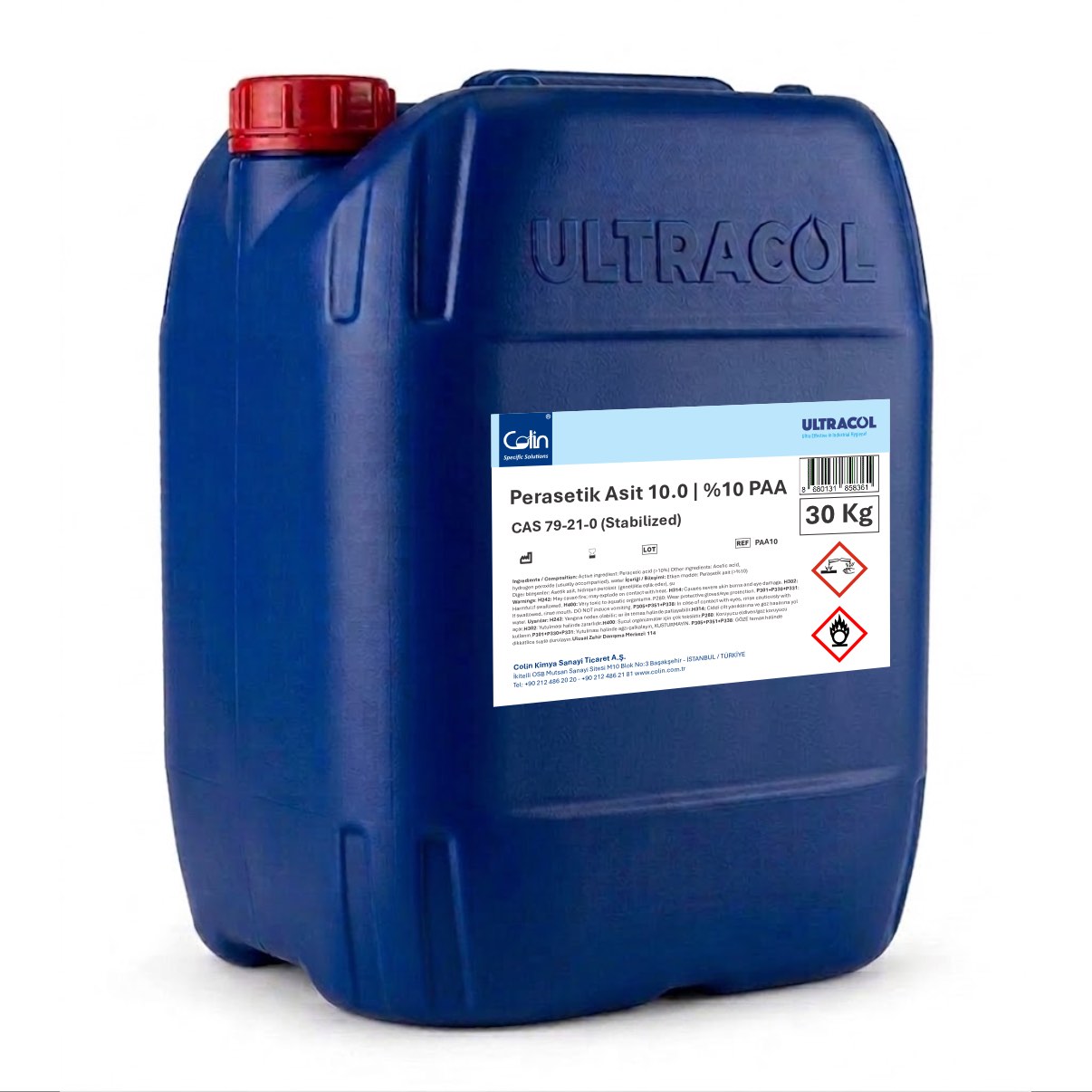
- Perasetik Asit 10.0 | %10 PAA: Orta-yüksek konsantrasyonda perasetik asit gerektiren proses uygulamalarında değerlendirilebilir.
- Perasetik Asit 2.0 | %2 PAA: Daha düşük konsantrasyonlu PAA yaklaşımı gereken alanlarda tercih edilebilir.
- Perasetik Asit 2000 | Kullanıma Hazır: Kullanıma hazır perasetik asit çözeltisi gerektiren pratik uygulamalarda değerlendirilebilir.
Perasetik asit bazlı ürünlerde dozaj, temas süresi, sıcaklık, organik yük, yüzey tipi ve proses şartları işletmeye göre belirlenmelidir. Uygulama sonrası gerektiğinde kalıntı veya konsantrasyon kontrolü yapılması önerilir.
5. Gıda ile Temas Eden Yüzeyler ve Meyve-Sebze Temizliği
Gıda ile temas eden yüzeylerde kullanılan temizlik ürünleri, gıda güvenliği yaklaşımına uygun olmalıdır. Temizlenecek alanın doğrudan ürünle temas edip etmediği, durulama gerekliliği ve uygulama sonrası kalıntı riski değerlendirilmelidir.
Gıda temas yüzeyleri için özel ürünler
- ULTRACOL FOOD/OX – Gıda ile Temas Eden Yüzey Temizleyici: Peroksit bazlı hijyen yaklaşımı gereken gıda temas yüzeylerinde değerlendirilebilir.
- ULTRACOL FOOD/AC – Gıda ile Temas Eden Yüzey Temizleyici: Sitrik asit bazlı temizlik yaklaşımının uygun olduğu yüzeylerde tercih edilebilir.
Meyve ve sebze yüzey temizliği
Meyve ve sebze yüzeylerinde amaç; yüzeydeki kir, toz, mum tabakası, tarımsal uygulama kalıntıları ve mikrobiyal riskin azaltılmasına yardımcı olacak kontrollü bir temizlik yaklaşımı oluşturmaktır. Bu tür uygulamalarda ürün seçimi, kullanım şekli ve durulama prosedürü özellikle önemlidir.
- Ultracol® Detox Spray – Ev Tipi Sprey: Pratik yüzey temizliği yaklaşımı için sprey formda kullanılabilir.
- Ultracol® Detox Wash – Bekletmeli Gıda Temizleyici: Bekletmeli yıkama yaklaşımı gereken uygulamalarda değerlendirilebilir.
- Ultracol® Detox Pro – Endüstriyel Gıda Temizleyici: Profesyonel ve yüksek hacimli uygulamalarda tercih edilebilir.
6. Zemin, Duvar ve Genel Üretim Alanı Temizliği
Üretim alanlarında zemin, duvar ve drenaj bölgeleri genellikle proses hijyeninin en kritik tamamlayıcı alanlarıdır. Bu alanlarda doğru ürün seçimi yapılmazsa koku, kayganlık, mineral birikimi, yağ tabakası ve mikrobiyal risk oluşabilir.
Yağ ve protein karakterli kirliliklerde alkali temizlik
Gıda üretim alanları, endüstriyel mutfaklar, et işleme, süt ürünleri, yağlı proses alanları ve yoğun organik yük bulunan zeminlerde alkali temizlik yaklaşımı öne çıkar.
- ULTRACOL FLOOR/AL – Zemin ve Duvar Temizleyici: Yağ, protein ve organik kirlerin yoğun olduğu zemin ve duvarlarda alkali temizlik yaklaşımı için değerlendirilebilir.
Kireç ve mineral birikimlerinde asidik temizlik
Sert su kullanılan tesislerde, zemin ve yüzeylerde kireç, mineral, su lekesi ve inorganik birikimler oluşabilir. Bu durumda asidik karakterli temizlik ürünleri daha uygun bir yaklaşım sunar.
- ULTRACOL FLOOR/AC – Zemin ve Duvar Temizleyici: Kireç ve mineral karakterli birikimlerin bulunduğu zemin ve duvarlarda değerlendirilebilir.
Hassas yüzeylerde genel temizlik
Her yüzey güçlü alkali veya asidik ürünlere uygun olmayabilir. Plastik, cam, hassas metal, boyalı yüzey ve genel kullanım alanlarında yüzey uyumu dikkate alınmalıdır.
- ULTRACOL CLEAN SA - Genel Temizlik Deterjanı: Hassas yüzeylerde genel temizlik yaklaşımı için tercih edilebilir.
7. Endüstriyel Üretim, Bakım ve Ağır Kir Problemleri
Fabrika, atölye, bakım alanı, metal ekipman, parça temizliği ve üretim hattı çevresinde; ağır yağ, gres, karbon, pas, oksit ve kimyasal kalıntılar sık görülür. Bu alanlarda kullanılacak ürünler, standart yüzey temizleyicilerden daha güçlü ve hedefe yönelik olmalıdır.
Ağır yağ, gres ve karbon kalıntıları
- ULTRACOL SPX - Yağ Giderici Deterjan: Metal, seramik, cam ve uygun endüstriyel yüzeylerde ağır yağ, gres ve karbon karakterli kirlerin giderilmesi için kullanılabilir.
Pas, oksit ve korozyon lekeleri
Paslanmaz çelik, metal yüzeyler ve üretim ekipmanlarında zamanla pas, oksit veya korozyon lekeleri oluşabilir. Bu tür sorunlarda mekanik temizlik tek başına yeterli olmayabilir.
- ULTRACOL DESCALE - Pas ve Korozyon Giderici Konsantre Temizlik Solüsyonu: Pas, oksit ve korozyon lekelerinin giderilmesi gereken profesyonel uygulamalarda değerlendirilebilir.
- ULTRACOL FNP - Alkali Nötralizanı ve Pas Sökücü Temizlik Ajanı: Alkali temizlik sonrası nötralizasyon ve pas giderim yaklaşımı için kullanılabilir.
- ULTRACOL RI - Demirli metallerin korozyonunu önlemek için pas önleyici: Demirli metallerde temizlik sonrası geçici korozyon önleyici yaklaşım için değerlendirilebilir.
Çok amaçlı el ve yüzey temizliği
- ULTRACOL CLEANER - Çok Amaçlı El ve Yüzey Temizleyici: Boya, reçine, indikatör ve benzeri zorlu kalıntıların bulunduğu uygulamalarda çok amaçlı temizlik yaklaşımı için kullanılabilir.
Kimyasal dökülmelerde acil müdahale
Kimyasal dökülmelerde hızlı müdahale, hem iş güvenliği hem de alan temizliği açısından önemlidir. Dökülen sıvının yayılmasının önlenmesi ve kontrollü şekilde toplanması gerekir.
- ULTRACOL ABSORBER – Güçlü Kimyasal Absorbanı: Kimyasal, yağ veya deterjan dökülmelerinde ilk müdahale ve absorpsiyon amacıyla değerlendirilebilir.
8. Özel Uygulamalar İçin Ürün Seçimi
Bazı temizlik ihtiyaçları klasik zemin, yüzey veya ekipman temizliğinden farklıdır. Süt analiz cihazları, solar paneller ve tarımsal hijyen uygulamaları gibi alanlarda daha özel ürünler gerekir.
Süt analiz cihazları için temizlik ürünleri
Süt analiz cihazlarının doğru ölçüm yapabilmesi için cihaz içindeki yağ, protein, süt taşı ve mineral kalıntılarının düzenli olarak kontrol edilmesi gerekir. Bu tür cihazlarda yanlış ürün kullanımı ölçüm performansını etkileyebilir.
- ULTRACLEAN DAY - Milk Analyzer Clean Day - Alkaline: Günlük alkali temizlik yaklaşımı için değerlendirilebilir.
- ULTRACLEAN WEEK – Milk Analyzer Clean Week - Acidic: Periyodik asidik temizlik yaklaşımı için kullanılabilir.
- ULTRACLEAN POWER – Süt Analiz Cihazı Güçlü Asidik Temizleyici: İnatçı mineral ve süt taşı birikimlerinde güçlü asidik temizlik yaklaşımı için değerlendirilebilir.
Solar panel temizliği
Solar panellerde kir, toz, polen, kuş pisliği ve mineral lekeleri enerji verimini etkileyebilir. Panel yüzeyinde kalıntı bırakmayan, yüzey uyumlu ve kontrollü temizlik yaklaşımı önemlidir.
- ULTRACOL RM99 - Solar Panel Temizleyici: Solar panel yüzeylerinde profesyonel temizlik yaklaşımı için geliştirilen özel üründür.
Tarımsal hijyen ve sera uygulamaları
Tarım alanlarında hijyen, su kalitesi, yüzey temizliği ve proses güvenliği farklı bir bakış açısı gerektirir. Sera, sulama hattı ve tarımsal ekipman uygulamalarında kullanılacak ürünler, bitki ve uygulama koşulları dikkate alınarak seçilmelidir.
- AGROCOL FORTE - Tarımda Hijyen Sağlayıcı: Tarımsal hijyen yaklaşımı gereken uygulamalarda değerlendirilebilir.
- AGROCOL SOFT - pH Ayarlayıcı / Şelatör: Su kalitesi, pH kontrolü ve şelatör yaklaşımı gereken uygulamalarda kullanılabilir.
- AGROCOL AB - Toprak pH'ını Ayarlamak İçin Güçlü ve Etkili Bir Çözüm: Toprak pH yönetimi ve tarımsal uygulamalarda değerlendirilebilir.
9. Temizlik Sonrası Kontrol Neden Önemlidir?
Profesyonel işletmelerde temizlik işlemi yalnızca ürün uygulamakla tamamlanmaz. Uygulama sonrası kontrol, proses güvenliği açısından önemli bir adımdır. Özellikle gıda üretim hatları, CIP/SIP sistemleri, yüzey dezenfeksiyonu, laboratuvar ekipmanları ve kimyasal kalıntı riski bulunan alanlarda doğrulama yapılması önerilir.
Kontrol edilmesi gereken başlıca noktalar şunlardır:
- Yüzeyde gözle görülür kir veya film tabakası kalıp kalmadığı
- Durulama sonrası pH değerinin uygun aralıkta olup olmadığı
- Dezenfektan kalıntısı veya aktif madde varlığı
- CIP/SIP çıkış suyunda kimyasal kalıntı riski
- Zemin ve drenaj alanlarında koku veya kayganlık oluşumu
- Kullanılan ürünün yüzeyde iz, leke veya matlaşma oluşturup oluşturmadığı
Bu aşamada Testonic test kitleri, pH kontrol ürünleri, perasetik asit test kitleri veya kalıntı kontrol çözümleri işletmenin temizlik doğrulama sürecine destek olabilir.
- Perasetik Asit Test Kiti: Perasetik asit uygulamalarında aktif madde kontrolü için değerlendirilebilir.
- Perasetik Asit Yüzde Test Kiti: Daha yüksek konsantrasyonlu PAA çözeltilerinin kontrolünde kullanılabilir.
- Perasetik ve Hidrojen Peroksit Yüzde Test Kiti: PAA ve hidrojen peroksit içeren sistemlerin kontrolünde değerlendirilebilir.
- Hipoklorit Kalıntısı Test Kiti: Hipoklorit bazlı uygulamalarda kalıntı kontrol yaklaşımı için kullanılabilir.
10. Hızlı Ürün Seçim Rehberi
| Uygulama Alanı | Temel İhtiyaç | Önerilen Ürünler |
|---|---|---|
| Gıda proses hijyeni | Dezenfeksiyon, CIP/SIP, proses güvenliği | ULTRACOL FM/AC, ULTRACOL FM/AL, Perasetik Asit 5.0 |
| Gıda temas yüzeyleri | Yüzey temizliği ve hijyen | ULTRACOL FOOD/OX, ULTRACOL FOOD/AC |
| Zemin ve duvar | Yağ, protein, kireç, mineral | ULTRACOL FLOOR/AL, ULTRACOL FLOOR/AC |
| Medikal ve dental aletler | Organik kalıntı, dezenfeksiyon, nötralizasyon | ULTRACOL ACTIV, ULTRACOL FR, ULTRACOL FNZ, ULTRACOL DrillGuard |
| Endüstriyel bakım | Yağ, pas, oksit, karbon | ULTRACOL SPX, ULTRACOL DESCALE, ULTRACOL FNP |
| Süt analiz cihazları | Yağ, protein, süt taşı, mineral kalıntısı | ULTRACLEAN DAY, ULTRACLEAN WEEK, ULTRACLEAN POWER |
| Solar panel | Yüzey kiri, polen, kuş pisliği, mineral izleri | ULTRACOL RM99 |
| Kimyasal dökülme | Absorpsiyon ve güvenli toplama | ULTRACOL ABSORBER |
Sonuç: Doğru Teşhis, Doğru Kimyasal, Kontrollü Uygulama
Endüstriyel temizlikte başarılı sonuç almak için yalnızca güçlü bir ürün kullanmak yeterli değildir. Doğru ürün; doğru kir tipine, doğru yüzeye, doğru uygulama yöntemine ve doğru kontrol prosedürüne göre seçilmelidir.
Gıda tesislerinde proses hijyeni, medikal alanlarda alet güvenliği, endüstriyel üretimde ağır kirlerin giderimi, zemin ve duvar temizliği, özel cihaz bakımı veya kimyasal dökülme müdahalesi gibi her uygulama kendi içinde ayrı değerlendirilmelidir.
Colin Kimya, ULTRACOL, Testonic ve AGROCOL ürün grupları ile farklı sektörlerin temizlik, hijyen, kalıntı kontrolü ve özel uygulama ihtiyaçlarına yönelik profesyonel çözümler sunar.
İşletmenizde doğru temizlik kimyasalını seçmek için önce sorunu tanımlayın, yüzeyi değerlendirin, uygulama yöntemini belirleyin ve gerektiğinde kontrol ürünleriyle sonucu doğrulayın. Profesyonel hijyen yönetimi, doğru ürün seçimi kadar doğru uygulama ve düzenli kontrol ile sürdürülebilir hale gelir.