
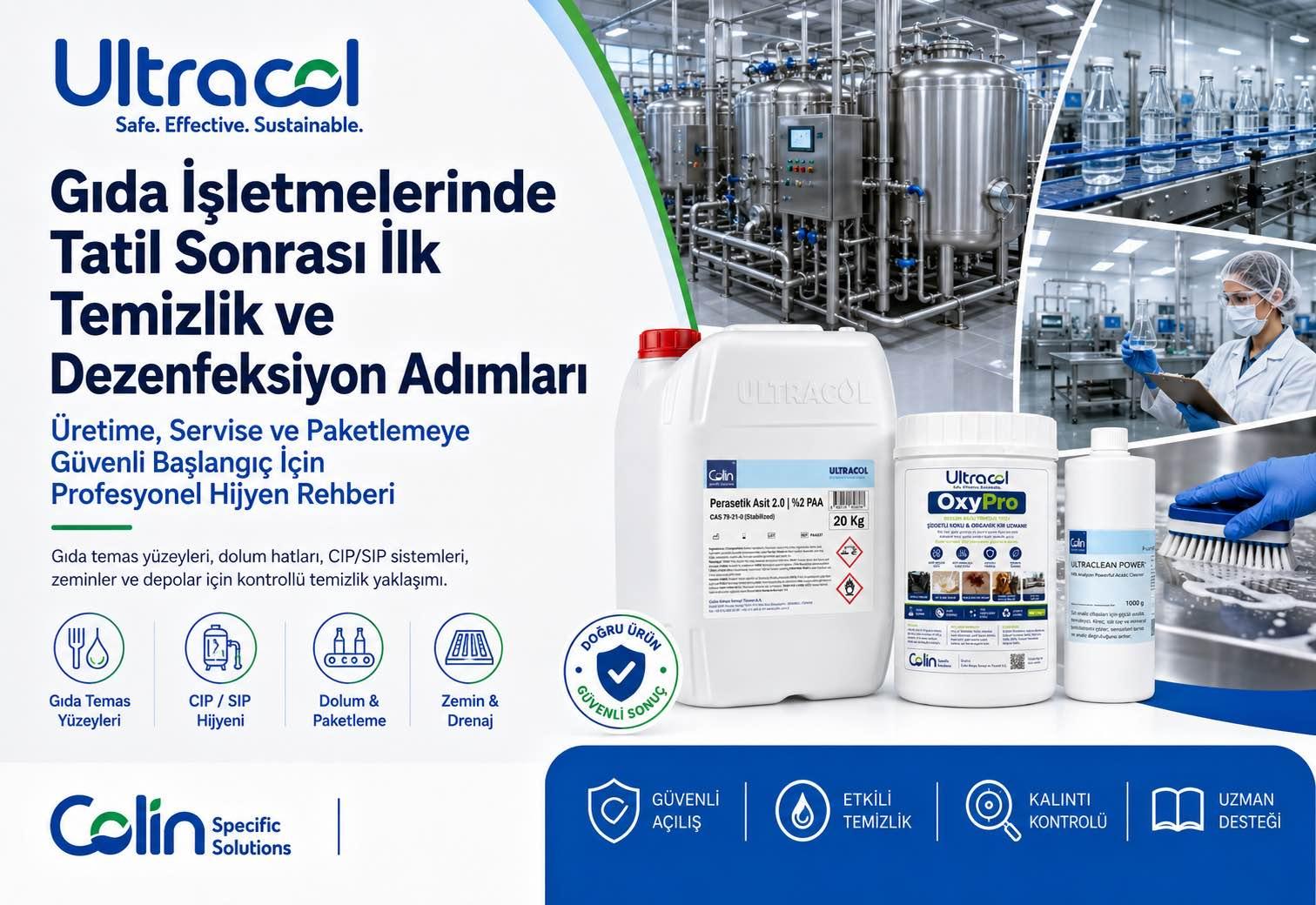
Üretime, Servise ve Paketlemeye Güvenli Başlangıç İçin Profesyonel Hijyen Rehberi
Bayram tatili, yıllık izin dönemi veya uzun süreli üretim duruşları sonrasında gıda işletmelerinin yeniden faaliyete geçmesi, yalnızca makinelerin çalıştırılması veya mutfağın açılması anlamına gelmez. Özellikle restoranlar, yemekhaneler, catering firmaları, gıda üretim tesisleri, paketleme alanları, dolum hatları ve soğuk depolarda hijyen zincirinin yeniden kontrol edilmesi gerekir.
Uzun süre kapalı kalan veya düşük kapasitede çalışan işletmelerde; yüzeylerde toz birikimi, ekipmanlarda beklemiş su, drenaj noktalarında koku oluşumu, zeminlerde kayganlık, gıda temas yüzeylerinde mikrobiyal risk, depolarda ambalaj ve ürün kalıntısı, proses hatlarında kimyasal veya organik kalıntı gibi sorunlar görülebilir.
Bu nedenle tatil sonrası ilk temizlik ve dezenfeksiyon işlemi, rutin günlük temizlikten farklı ele alınmalıdır. Amaç yalnızca görünen kirleri uzaklaştırmak değil; işletmenin üretime, servise veya paketlemeye hijyenik olarak güvenli şekilde başlamasını sağlamaktır.
1. Tatil Sonrası İlk Kontrol: İşletmeye Girmeden Önce Genel Hijyen Değerlendirmesi
Gıda işletmelerinde tatil sonrası temizlik planı, doğrudan kimyasal uygulama ile başlamamalıdır. İlk adım, işletmenin genel durumunun görsel ve kokusal olarak değerlendirilmesidir. Bu kontrol, hangi alanda hangi temizlik yaklaşımının gerekli olduğunu belirlemek için önemlidir.
İlk gözlemde kontrol edilmesi gereken noktalar
- Kapalı kalan alanlarda kötü koku veya nem oluşumu var mı?
- Zeminlerde yağ, toz, iz, kayganlık veya yapışkanlık var mı?
- Drenaj kanalları ve giderlerde koku, tortu veya birikinti var mı?
- Tezgâh, ekipman ve dolum yüzeylerinde toz veya leke oluşmuş mu?
- Soğuk oda, depo ve kuru gıda alanlarında ambalaj hasarı veya dökülme var mı?
- CIP/SIP hatları, tanklar ve boru sistemleri beklemiş su veya ürün kalıntısı içerebilir mi?
- Kullanılacak temizlik ve dezenfeksiyon ürünlerinin ambalajları sağlam mı?
Bu aşamada amaç, işletmenin temizlik ihtiyacını doğru sınıflandırmaktır. Gıda işletmelerinde her alan aynı ürünle temizlenmemelidir. Gıda temas yüzeyi, zemin, drenaj, ekipman, dolum hattı ve depo alanı farklı hijyen gereksinimlerine sahiptir.
2. Gıda Temas Yüzeyleri: Tezgâh, Ekipman ve Hazırlık Alanları
Gıda temas yüzeyleri, tatil sonrası ilk değerlendirilmesi gereken kritik alanların başında gelir. Tezgâhlar, kesim tahtaları, mikserler, kazanlar, dolum nozulları, taşıma bantları, ambalaj makineleri, hazırlık masaları ve gıda ile temas eden tüm ekipmanlar ayrı bir temizlik ve dezenfeksiyon yaklaşımı gerektirir.
Bu yüzeylerde yalnızca gözle görülen kir değil; mikrobiyal yük, organik kalıntı, yağ-protein tabakası ve kimyasal kalıntı ihtimali de dikkate alınmalıdır.
Gıda temas yüzeyleri için önerilen genel işlem sırası
- Fiziksel ön temizlik: Toz, kırıntı, gıda parçacığı ve kaba kirler uzaklaştırılır.
- Uygun deterjanla temizlik: Yağ, protein, karbonhidrat veya organik kalıntı yapısına göre uygun temizlik kimyasalı kullanılır.
- Durulama: Temizlik kimyasalı yüzeyden uzaklaştırılır.
- Dezenfeksiyon: Uygun dezenfektan seçilerek temas süresine dikkat edilir.
- Gerekirse kalıntı kontrolü: Özellikle gıda temas yüzeylerinde durulama ve kalıntı riski kontrol edilir.
Gıda ile temas eden yüzeylerde kullanılacak ürünler seçilirken, yüzey uyumu, kullanım konsantrasyonu, temas süresi, durulama gerekliliği ve işletme prosedürleri birlikte değerlendirilmelidir.
Gıda temas yüzeyleri için değerlendirilebilecek ürünler
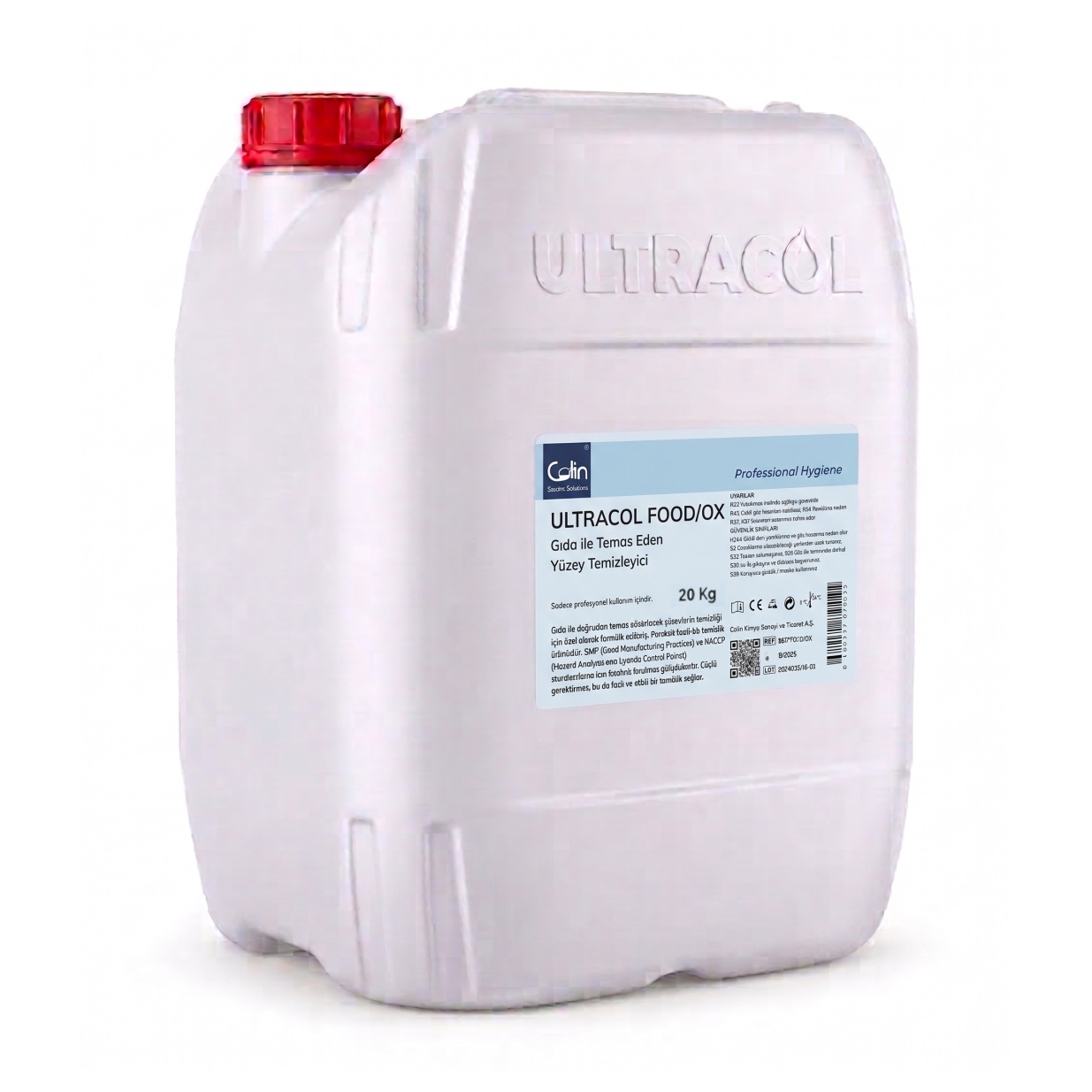
- ULTRACOL FOOD/OX – Gıda ile Temas Eden Yüzey Temizleyici: Peroksit bazlı hijyen yaklaşımı gereken gıda temas yüzeylerinde değerlendirilebilir.
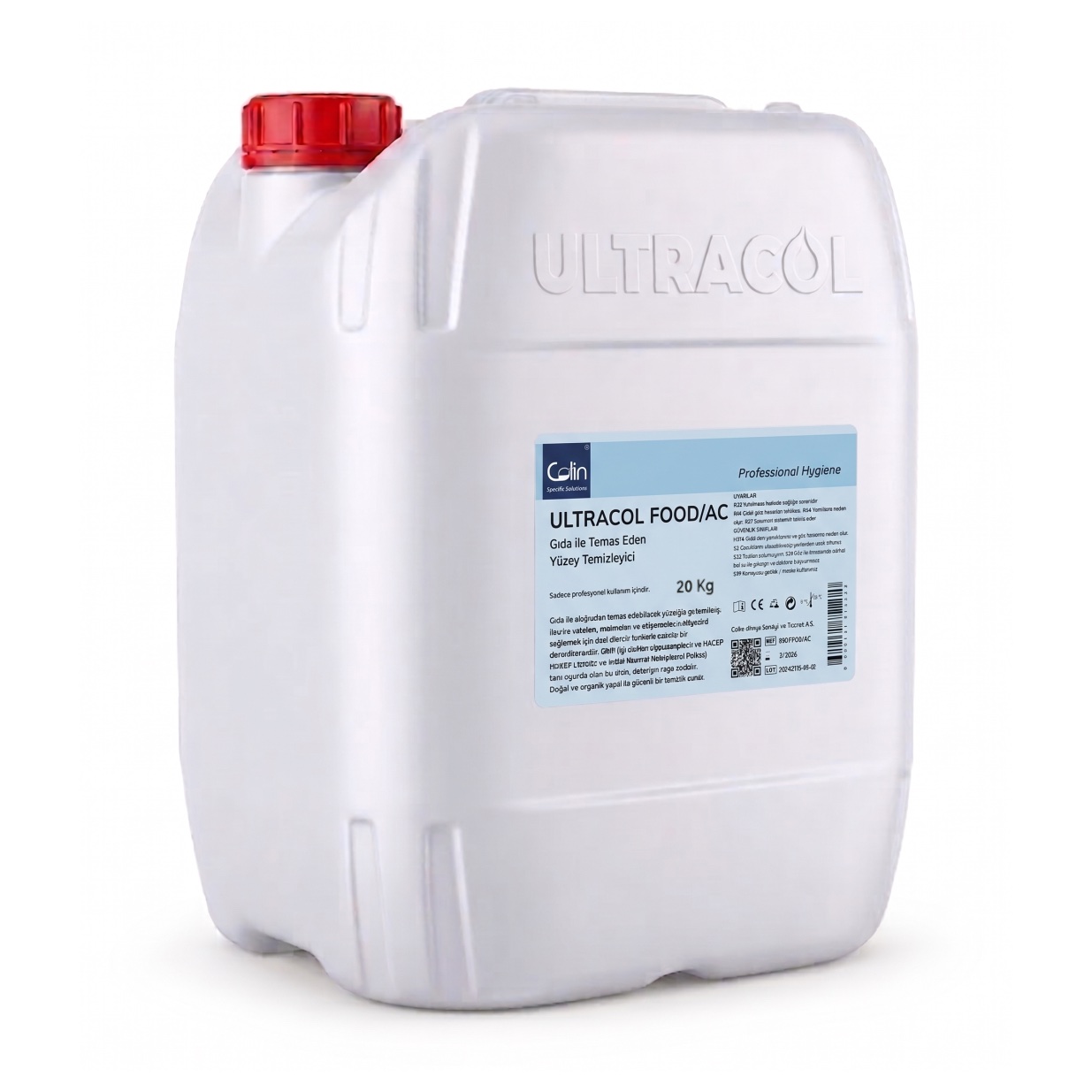
- ULTRACOL FOOD/AC – Gıda ile Temas Eden Yüzey Temizleyici: Sitrik asit bazlı temizlik yaklaşımının uygun olduğu yüzeylerde tercih edilebilir.
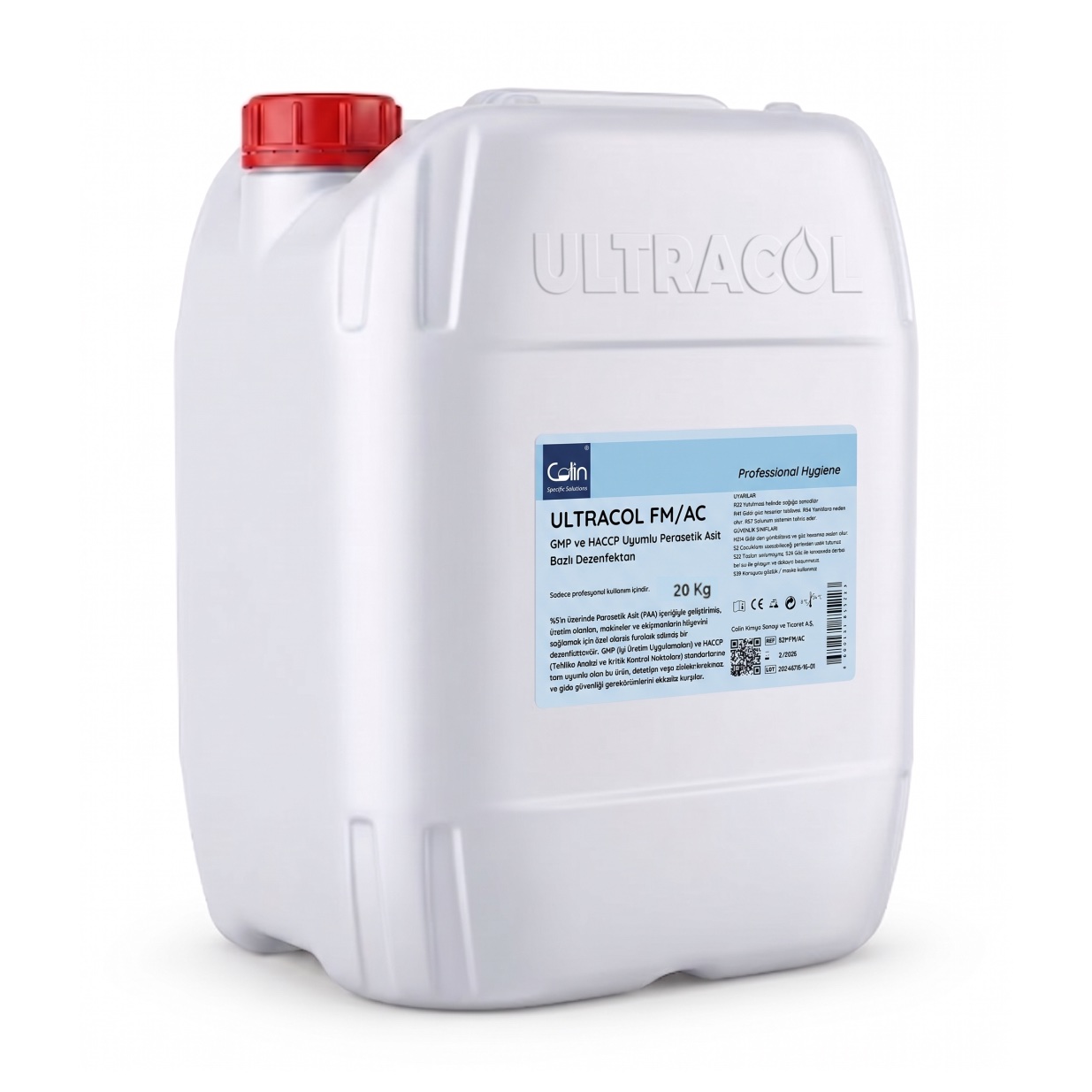
- ULTRACOL FM/AC - GMP ve HACCP Uyumlu Perasetik Asit Bazlı Yıkama Maddesi: Gıda proses hijyeni ve yüzey dezenfeksiyon yaklaşımında değerlendirilebilir.
3. Dolum Hatları ve Paketleme Alanlarında Tatil Sonrası Hijyen
Dolum ve paketleme alanları, gıda güvenliği açısından son ürünle doğrudan ilişkili kritik bölgelerdir. Tatil sonrası bu alanlarda yapılacak kontrol, yalnızca ekipmanın çalışıp çalışmadığını görmekle sınırlı olmamalıdır. Dolum nozulları, konveyörler, ambalaj temas yüzeyleri, kapaklama bölümleri ve ürün aktarım noktaları hijyen açısından ayrıca değerlendirilmelidir.
Dolum ve paketleme alanlarında kontrol edilmesi gerekenler
- Dolum nozullarında ürün kalıntısı veya kurumuş tabaka var mı?
- Konveyör bant yüzeylerinde toz, yağ veya yapışkanlık var mı?
- Paketleme yüzeylerinde ambalaj artığı, karton tozu veya film parçacığı var mı?
- Hat üzerinde beklemiş ürün veya su kalıntısı var mı?
- Dolum öncesi yüzey dezenfeksiyon prosedürü uygulanmış mı?
- Temizlik sonrası ilk üretimden önce kontrol kaydı oluşturulmuş mu?
Dolum ve paketleme hatlarında yanlış kimyasal seçimi, ürün kalitesi ve ambalaj güvenliği açısından risk oluşturabilir. Bu nedenle kimyasal seçimi yapılırken hem hijyen etkisi hem de yüzey uyumu dikkate alınmalıdır.
Perasetik asit bazlı ürünler, uygun konsantrasyon ve temas süresiyle gıda proses hijyeninde güçlü bir seçenek olarak değerlendirilebilir. Ancak her işletmede uygulama prosedürü; ürün tipi, yüzey yapısı, organik yük, otomasyon seviyesi ve durulama gerekliliğine göre belirlenmelidir.
4. CIP/SIP Sistemleri: Kapalı Hatlarda Beklemiş Su ve Kalıntı Riskine Dikkat
Gıda üretim tesislerinde CIP/SIP sistemleri; tanklar, boru hatları, eşanjörler, dolum sistemleri ve kapalı proses ekipmanları için hijyenin en kritik bölümlerinden biridir. Tatil sonrası bu sistemlerde beklemiş su, önceki üretimden kalan ürün kalıntısı, temizlik kimyasalı kalıntısı veya mikrobiyal risk oluşabilir.
Bu nedenle ilk üretimden önce CIP/SIP sistemlerinde yalnızca rutin çevrim yapmak yeterli olmayabilir. Hatların durumu değerlendirilerek uygun ön durulama, temizlik, dezenfeksiyon ve gerekirse kalıntı kontrolü yapılmalıdır.
CIP/SIP sistemlerinde tatil sonrası kontrol listesi
- Hat içinde beklemiş su veya ürün kalıntısı var mı?
- Tanklarda koku, film tabakası veya tortu oluşmuş mu?
- Dozaj pompaları ve bağlantılar çalışır durumda mı?
- Önceki temizlik kimyasalı kalıntısı ihtimali var mı?
- İlk çevrim öncesi durulama gerekli mi?
- Dezenfeksiyon sonrası aktif madde veya pH kontrolü yapılmalı mı?
- CIP dönüş suyunda köpük, renk, koku veya iletkenlik değişimi var mı?
CIP/SIP ve proses hijyeni için değerlendirilebilecek ürünler
- ULTRACOL FM/AC - GMP ve HACCP Uyumlu Perasetik Asit Bazlı Yıkama Maddesi: Gıda proses hijyeni, CIP/SIP uygulamaları ve ekipman yüzeylerinde perasetik asit bazlı yaklaşım için değerlendirilebilir.
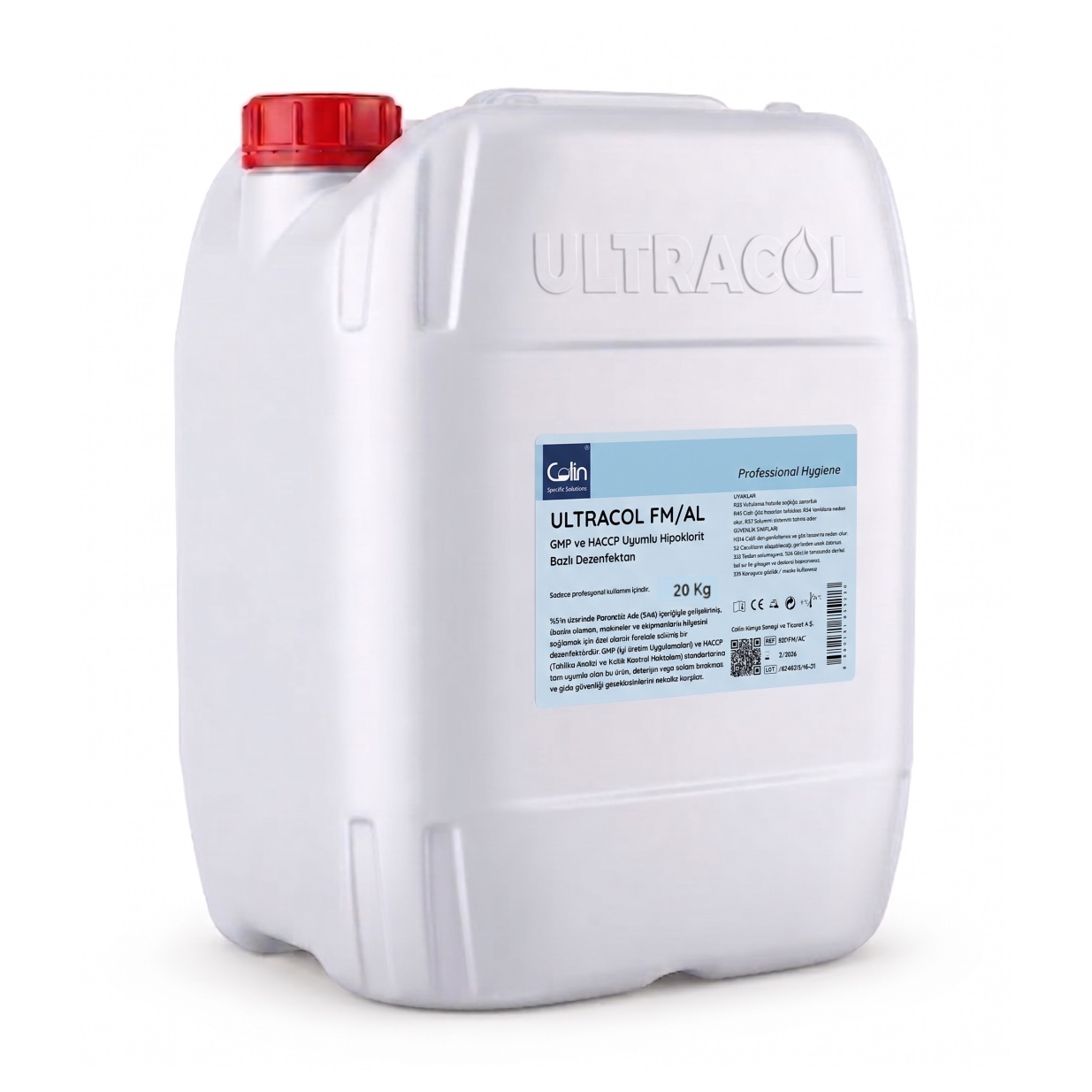
- ULTRACOL FM/AL - GMP ve HACCP Uyumlu Hipoklorit Bazlı Dezenfektan: Hipoklorit bazlı dezenfeksiyon yaklaşımının uygun olduğu proseslerde kullanılabilir.
- Perasetik Asit 5.0 | %5 PAA: Oksidatif hijyen ve proses dezenfeksiyonu ihtiyacı bulunan uygulamalarda değerlendirilebilir.
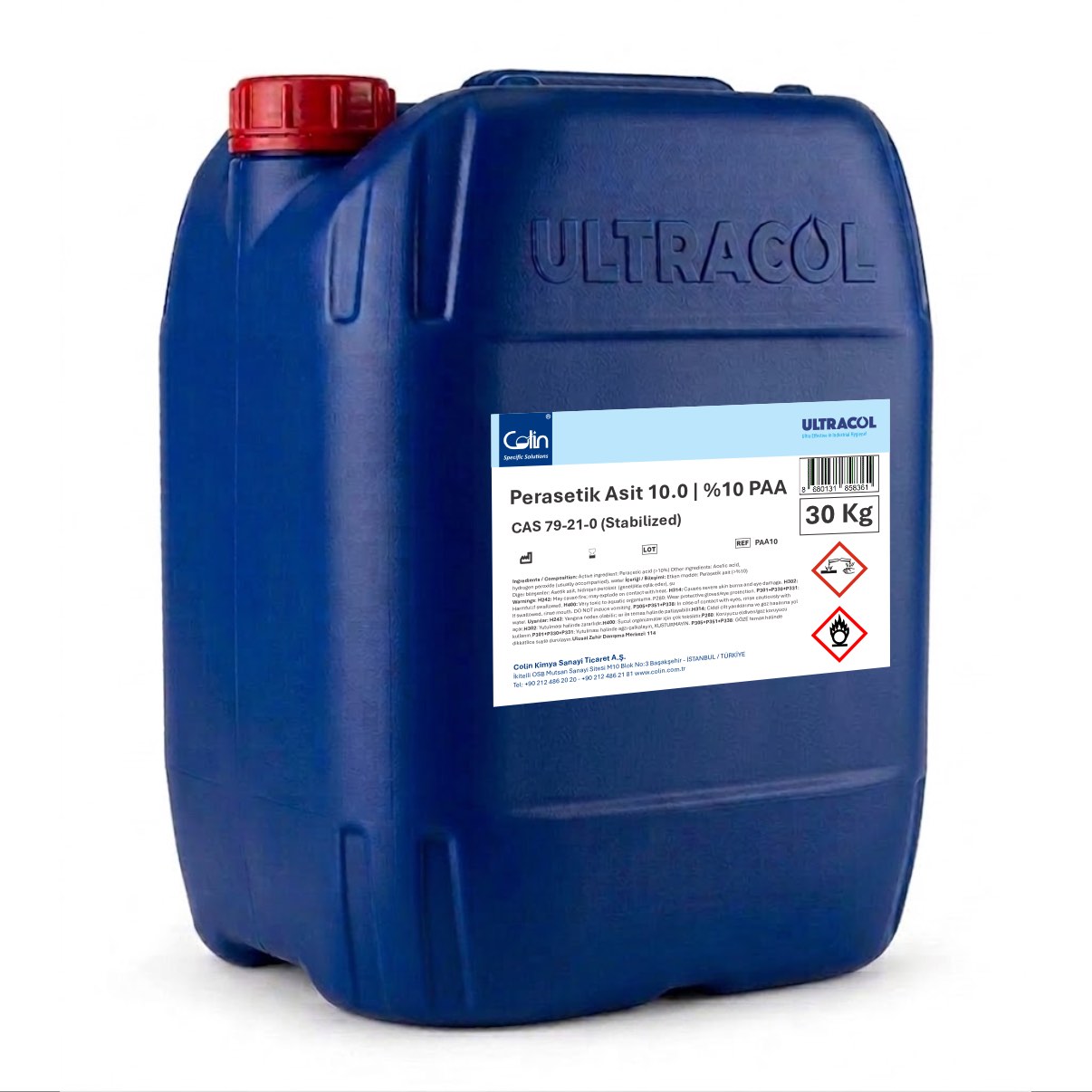
- Perasetik Asit 10.0 | %10 PAA: Daha yüksek aktif madde ihtiyacı olan profesyonel proses uygulamaları için değerlendirilebilir.
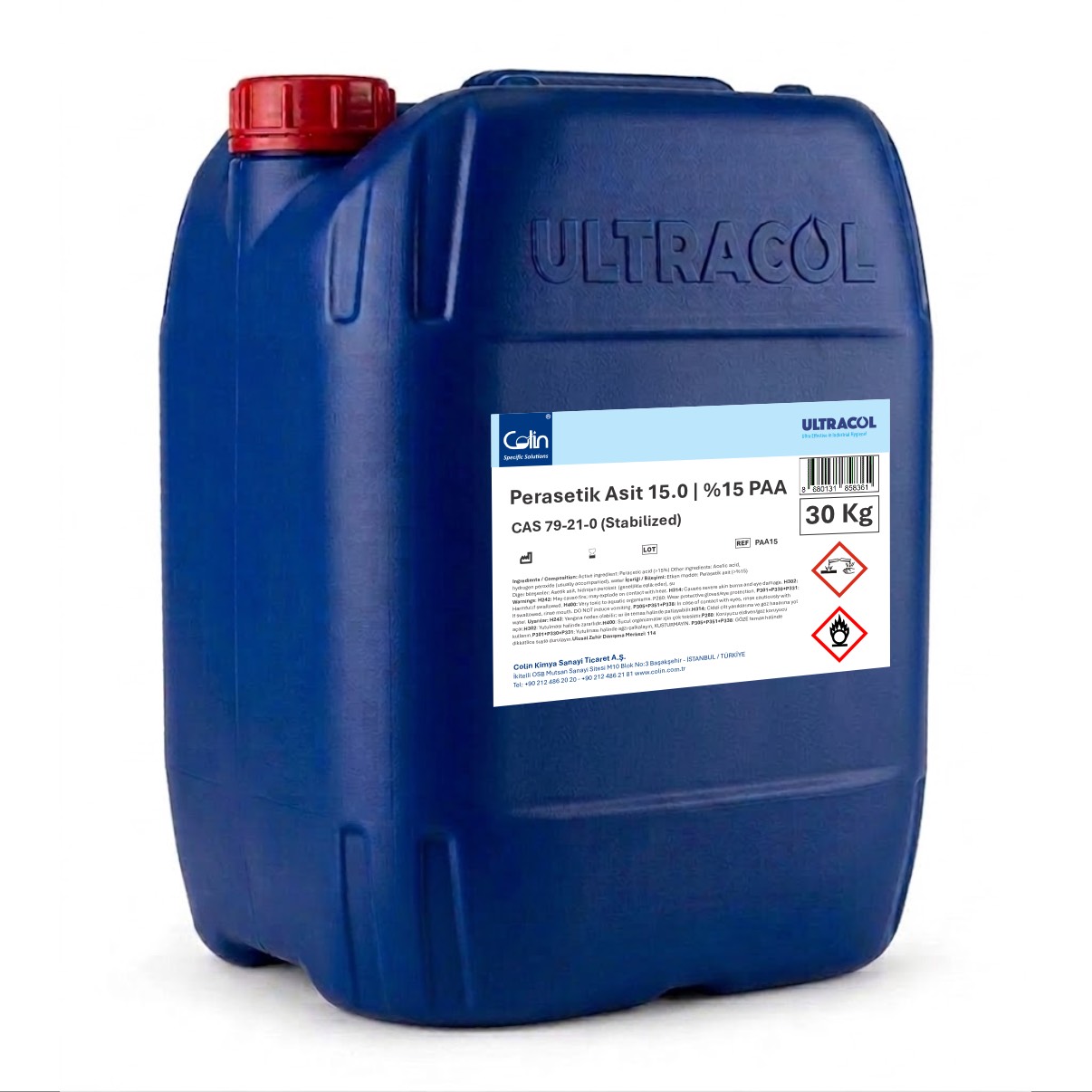
- Perasetik Asit 15.0 | %15 PAA: Konsantre perasetik asit yaklaşımı gerektiren endüstriyel uygulamalarda tercih edilebilir.
Perasetik asit bazlı ürünlerde kullanım konsantrasyonu ve temas süresi mutlaka işletme prosedürüne göre belirlenmelidir. Gıda temas yüzeyleri ve kapalı proses hatlarında uygulama sonrası uygun durulama ve gerektiğinde kalıntı kontrolü yapılması önerilir.
5. Zemin, Duvar ve Drenaj Alanlarında İlk Gün Temizliği
Gıda işletmelerinde zemin, duvar ve drenaj noktaları, hijyen zincirinin tamamlayıcı parçalarıdır. Bu alanlar doğrudan ürünle temas etmese bile, işletme içi mikrobiyal yük, koku, kayganlık ve çapraz bulaşma açısından önemlidir.
Tatil sonrası kapalı kalan alanlarda özellikle drenaj noktalarında kötü koku, zeminlerde yapışkanlık, yağ tabakası, mineral birikimi veya nem kaynaklı kirlenme görülebilir.
Zemin ve duvar temizliğinde kirlilik tipine göre yaklaşım
| Kirlilik Tipi | Önerilen Yaklaşım | Değerlendirilebilecek Ürün |
|---|---|---|
| Yağ, protein, organik kir | Alkali temizlik yaklaşımı | ULTRACOL FLOOR/AL – Zemin ve Duvar Temizleyici |
| Kireç, mineral, su lekesi | Asidik temizlik yaklaşımı | ULTRACOL FLOOR/AC – Zemin ve Duvar Temizleyici |
| Hassas yüzeylerde genel kir | Yüzeye uyumlu genel temizlik | ULTRACOL CLEAN SA - Genel Temizlik Deterjanı |
Zemin ve drenaj alanlarında temizlik yapılırken, kullanılan ürünün yüzeye uygunluğu ve durulama prosedürü önemlidir. Özellikle yoğun alkali veya asidik ürünler kullanıldığında, uygulama sonrası yüzeyde kalıntı kalmaması için durulama ve görsel kontrol yapılmalıdır.
6. Soğuk Depo, Kuru Gıda Deposu ve Ambalaj Alanları
Gıda işletmelerinde tatil sonrası kontrol edilmesi gereken alanlardan biri de depolardır. Soğuk depolar, kuru gıda depoları, ambalaj stok alanları ve yardımcı malzeme bölümleri; üretim başlamadan önce kontrol edilmelidir.
Depo alanlarında kontrol edilmesi gereken noktalar
- Soğuk oda zemininde su birikimi, koku veya kayganlık var mı?
- Raflarda ambalaj hasarı, toz veya dökülme var mı?
- Kuru gıda alanlarında nem, topaklanma veya dış ambalaj kirlenmesi var mı?
- Ambalaj malzemeleri kapalı ve temiz alanda muhafaza edilmiş mi?
- Temizlik kimyasalları gıdalardan ayrı ve uygun şekilde depolanmış mı?
- Kimyasal ürün etiketleri okunabilir ve ambalajları sağlam mı?
Depo alanlarında temizlik yapılırken kimyasal seçimi dikkatli yapılmalıdır. Gıda, ambalaj ve kimyasal depolar birbirinden ayrılmalı; temizlik sonrası alanın havalandırılması ve kuruması sağlanmalıdır.
7. Restoran, Yemekhane ve Catering İşletmelerinde Tatil Sonrası Açılış Hijyeni
Restoran, yemekhane ve catering işletmelerinde tatil sonrası açılış hijyeni daha pratik ve operasyonel bir planla yapılmalıdır. Servis başlamadan önce hazırlık alanları, pişirme ekipmanları, soğuk dolaplar, tezgâhlar, bulaşık alanı, zeminler ve giderler kontrol edilmelidir.
Açılış öncesi kontrol edilmesi gereken başlıca alanlar
- Hazırlık tezgâhları ve kesim yüzeyleri
- Pişirme ekipmanları ve davlumbaz çevresi
- Bulaşık yıkama alanı ve deterjan kalıntısı riski
- Soğuk dolaplar ve raf yüzeyleri
- Zemin ve gider noktaları
- Servis ekipmanları ve taşıma kapları
- Personel el yıkama ve hijyen alanları
Bu işletmelerde en sık karşılaşılan sorunlar; yağ tabakası, kötü koku, deterjan kalıntısı, yüzeyde kayganlık ve soğuk alanlarda nem kaynaklı kirlenmedir. Bu nedenle temizlik planı hazırlanırken alan bazlı ürün seçimi yapılmalıdır.
Gıda temas yüzeylerinde ürün seçimi yapılırken, uygulama sonrası durulama ve kalıntı riskinin dikkate alınması gerekir. Temizlik sonrası yüzeyin temiz görünmesi tek başına yeterli değildir; yüzeyin gıda güvenliği açısından da uygun olması beklenir.
8. Kimyasal Kalıntı Kontrolü Neden Önemlidir?
Tatil sonrası ilk temizlik ve dezenfeksiyon işlemlerinde en önemli konulardan biri, uygulama sonrası kimyasal kalıntı riskidir. Özellikle gıda temas yüzeylerinde, CIP/SIP çıkışlarında, dolum hatlarında ve bulaşık-yıkama alanlarında kimyasal kalıntı kontrolü yapılması işletme güvenliği açısından önemlidir.
Kalıntı kontrolü yapılması önerilen alanlar
- Gıda temas yüzeyleri
- CIP/SIP çıkış suları
- Dolum nozulları ve hat çıkışları
- Bulaşık yıkama sonrası servis ekipmanları
- Durulama sonrası pH değişimi olan yüzeyler
- Perasetik asit veya hipoklorit bazlı uygulama yapılan alanlar
Kontrol amacıyla değerlendirilebilecek test kitleri
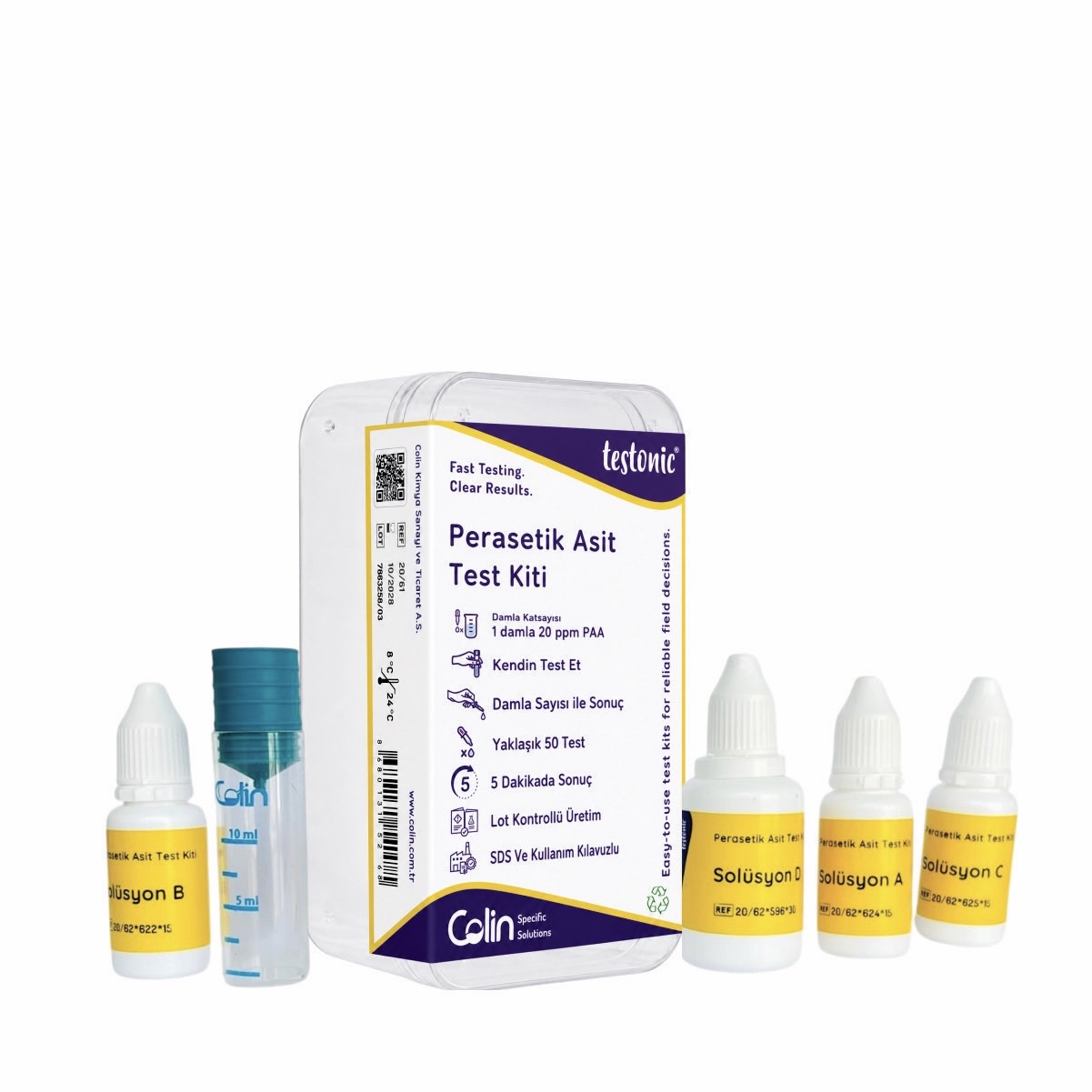
- Perasetik Asit Test Kiti: Perasetik asit uygulamalarında aktif madde kontrolü için değerlendirilebilir.
- Perasetik Asit Yüzde Test Kiti: Konsantre perasetik asit çözeltilerinin kontrolünde kullanılabilir.
- Perasetik ve Hidrojen Peroksit Yüzde Test Kiti: PAA ve hidrojen peroksit içeren uygulamaların kontrolünde değerlendirilebilir.
- Hipoklorit Kalıntısı Test Kiti: Hipoklorit bazlı dezenfektan uygulamalarında kalıntı kontrol yaklaşımı için kullanılabilir.
Kalıntı kontrolü, yalnızca yasal veya prosedürel bir adım olarak görülmemelidir. Aynı zamanda doğru durulama, doğru dozaj ve doğru uygulama süresinin doğrulanmasına yardımcı olan pratik bir kalite kontrol aracıdır.
9. Personel İçin Tatil Sonrası Hijyen Hatırlatması
Uzun tatil dönemlerinden sonra personelin doğrudan eski rutine dönmesi beklenmemelidir. İlk iş günü kısa bir hijyen bilgilendirmesi yapılması, yanlış ürün kullanımı ve eksik temizlik riskini azaltır.
Personel bilgilendirmesinde yer alması önerilen başlıklar
- Hangi alan önce temizlenecek?
- Hangi ürün hangi yüzeyde kullanılacak?
- Hangi ürünler kesinlikle karıştırılmamalı?
- Gıda temas yüzeylerinde durulama nasıl yapılacak?
- CIP/SIP çevrimi kim tarafından kontrol edilecek?
- Temizlik sonrası kayıt nasıl tutulacak?
- Kalıntı kontrolü hangi durumlarda yapılacak?
- Kimyasal dökülme veya yanlış kullanım durumunda ne yapılacak?
Bu kısa bilgilendirme, işletmenin ilk gün hijyen prosedürünü daha kontrollü ve izlenebilir hale getirir.
10. Tatil Sonrası Gıda İşletmeleri İçin Pratik Açılış Kontrol Tablosu
| Kontrol Alanı | Kontrol Edilecek Nokta | Önerilen Yaklaşım |
|---|---|---|
| Genel üretim alanı | Toz, koku, nem, yüzey görünümü | Görsel kontrol ve ön temizlik |
| Gıda temas yüzeyleri | Organik kalıntı, mikrobiyal risk, kimyasal kalıntı | Temizlik, dezenfeksiyon ve gerekirse kalıntı kontrolü |
| Dolum ve paketleme hattı | Nozul, konveyör, ambalaj temas yüzeyleri | Hat ön temizliği ve yüzey dezenfeksiyonu |
| CIP/SIP sistemi | Beklemiş su, ürün kalıntısı, kimyasal kalıntı | Ön durulama, çevrim, dezenfeksiyon ve kontrol |
| Zemin ve drenaj | Yağ, kireç, koku, kayganlık | Kir tipine göre alkali veya asidik temizlik |
| Soğuk depo | Nem, koku, su birikimi, ambalaj hasarı | Alan temizliği, havalandırma ve stok kontrolü |
| Kimyasal depo | Ambalaj, etiket, kapak, sızıntı | Kimyasal stok ve güvenlik kontrolü |
| Personel | Ürün kullanımı, karıştırma riski, kayıt düzeni | Kısa hijyen bilgilendirmesi |
11. Sık Yapılan Hatalar
Gıda işletmelerinde tatil sonrası temizlik sırasında bazı hatalar, hijyen sürecinin etkinliğini azaltabilir veya güvenlik riski oluşturabilir.
- Genel temizlik yapılmadan doğrudan dezenfeksiyona geçmek
- Gıda temas yüzeylerinde uygun durulama yapmamak
- Alkali ve asidik ürünleri prosedür dışı kullanmak
- Farklı kimyasal ürünleri karıştırmak
- CIP/SIP hatlarında beklemiş suyu dikkate almamak
- Dolum nozullarını ve konveyör yüzeylerini yalnızca dıştan kontrol etmek
- Drenaj ve gider noktalarını ihmal etmek
- Kimyasal stokların ambalaj ve etiket kontrolünü yapmamak
- Temizlik sonrası kontrol kaydı oluşturmamak
Bu hataların önlenmesi için tatil sonrası ilk gün, işletme içinde standart bir açılış hijyen prosedürü uygulanmalıdır.
Sonuç: Gıda İşletmelerinde Güvenli Açılış, Kontrollü Hijyenle Başlar
Bayram tatili veya uzun süreli duruş sonrası gıda işletmelerinin güvenli şekilde yeniden faaliyete geçmesi için yalnızca genel temizlik yeterli değildir. Gıda temas yüzeyleri, dolum hatları, paketleme alanları, CIP/SIP sistemleri, zeminler, drenaj noktaları, depolar ve kimyasal stoklar birlikte değerlendirilmelidir.
Doğru yaklaşım; önce alanı gözlemlemek, kirlilik tipini belirlemek, uygun temizlik kimyasalını seçmek, gerektiğinde dezenfeksiyon uygulamak ve son aşamada kontrol prosedürü ile sonucu doğrulamaktır.
Colin Kimya’nın ULTRACOL ve Testonic ürün grupları; gıda işletmelerinde proses hijyeni, yüzey temizliği, CIP/SIP uygulamaları, zemin-duvar temizliği ve kalıntı kontrolü gibi farklı ihtiyaçlara yönelik profesyonel çözümler sunar.
Gıda güvenliği sürdürülebilir bir süreçtir. Tatil sonrası ilk temizlik ve dezenfeksiyon adımlarının kontrollü şekilde uygulanması, işletmenin yeni döneme daha güvenli, düzenli ve hijyenik başlamasına katkı sağlar.